Inherited a Texas property with code violations? What happens and what to do
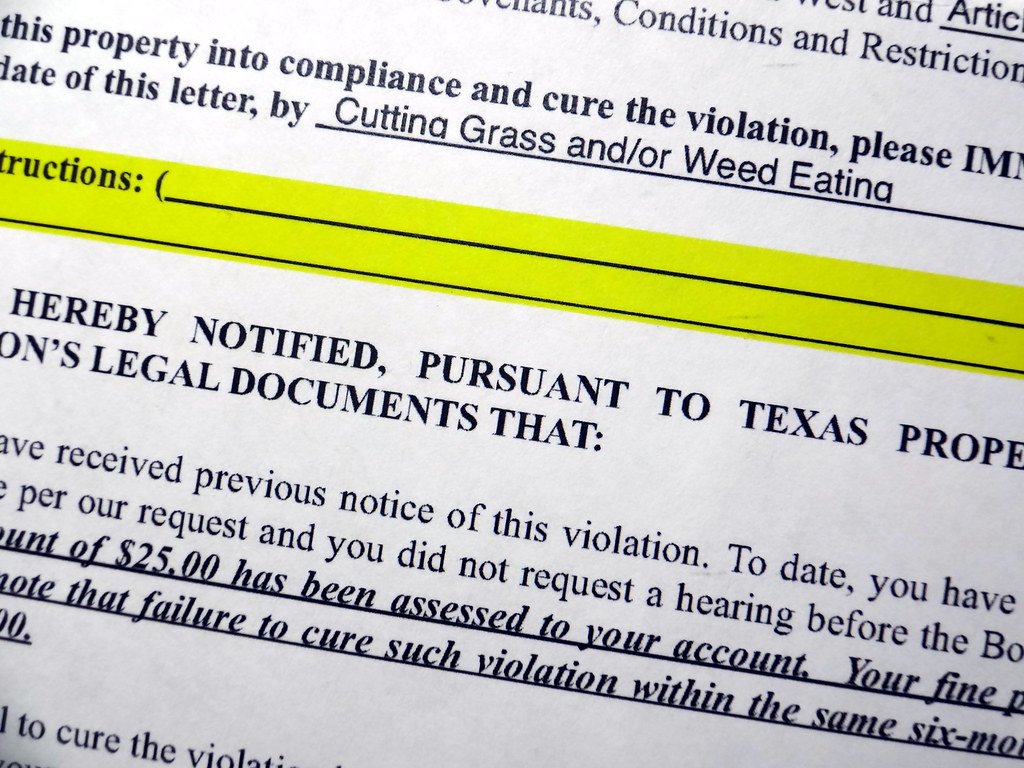
Texas cities can cite a property for overgrown grass, trash, an unsecured building or unsafe structures, and that does not stop when the owner dies. If violations go uncorrected, the city can do the work itself and record a lien for the cost, add civil penalties, and for a dangerous building, order it repaired or demolished after a hearing. Heirs can correct the problem, work out a timeline with the city, or sell with any liens paid at closing.
How this happens
A house sits empty after a death. Nobody lives nearby, the grass grows, the gutters fill, a window gets broken. A neighbor complains, the city inspects, and notices go out to the owner of record: the person who died. Months later, a family member finds a stack of letters, or learns about it from the title company, by which time there may be fines, city mowing charges and a lien.
Empty houses are especially exposed. Nobody maintains them day to day, and a break-in or squatters can bring new violations.
How code enforcement works in Texas
Cities set their own property standards by ordinance, so the details vary from city to city. The state laws behind them are mainly:
- Chapter 342 of the Health and Safety Code, which covers weeds, rubbish and unsanitary conditions on a lot.
- Chapter 214 of the Local Government Code, which covers dangerous and substandard buildings.
- Chapter 54 of the Local Government Code, which lets cities enforce their ordinances through municipal court and civil lawsuits.
Outside city limits, counties have fewer powers, and violations are less common, but counties can still act on some nuisances such as accumulated trash.
What happens if the violations aren’t fixed
For overgrown lots and trash, the city sends notice and gives the owner a short time to fix the problem; under Chapter 342 it is seven days. The notice can be delivered by hand, mailed to the owner’s address on file with the appraisal district, or, if that fails, posted on the property or published. If the work is not done, the city can do it, charge the cost to the property, and record a lien with interest. A city can also warn that a repeat violation within a year will be corrected without a new notice.
For a building the city considers dangerous or substandard, the process is more formal. The city gives notice and holds a public hearing, and it can order the building repaired, secured, vacated or demolished. If the owner does not comply, the city can do the work and record a lien for the cost.
Along the way, the city may also seek fines in municipal court or civil penalties in a lawsuit. Unpaid penalties and costs add to the total owed.
How it usually unfolds:
- Complaint or inspectionA neighbor reports the property, or an inspector notices it.
- Notice of violationSent to the owner of record, often the deceased owner's address, with a deadline to fix the problem.
- Deadline passesThe city may cite the owner, do the work itself, or both.
- City does the workMowing, cleanup or boarding up, billed to the property.
- Lien recordedUnpaid costs become a lien on the property, with interest.
- For a dangerous buildingA public hearing, and possibly an order to repair or demolish.
Who is responsible after the owner dies?
The city looks to the owner, and after a death, the heirs are the owners, whether or not the title was ever transferred. See inherited a house still in a relative’s name for what that means. In practice, the city may not know who the heirs are, and will keep sending notices to the old address. That delay is how a small violation turns into fines and a lien.
When there are several heirs, it is often unclear who should deal with it, and nobody does. Agreeing early on who will handle the property, and how the costs will be shared, avoids most of this. See when co-owners don’t agree.
How to find out what’s open
- Call the city’s code enforcement department. Give the address and ask what violations are open, what has been charged, and whether a hearing is scheduled.
- Check the county property records for any city liens recorded against the property.
- Update the mailing address. Ask the county appraisal district how to update the address on file so future notices reach a living person.
- Look at the property. Or have someone you trust look. Photos help when talking to the city.
Your options
| Option | What it takes | Fits when |
|---|---|---|
| Fix the violations | Money and someone nearby to manage the work | The heirs want to keep or sell the property and the problems are small |
| Work out a timeline with the city | A call to the inspector and a realistic plan | The family needs time, or is in the middle of a sale |
| Ask for a hearing or appeal | Showing up, with an attorney for a demolition order | You disagree with the city’s finding |
| Sell as-is | A buyer willing to take on the violations | No one wants to manage repairs from a distance |
1. Fix the problems
Mowing, cleanup and securing an empty house are usually inexpensive compared with what the city charges to do the same work, plus penalties. For bigger repairs, get estimates before committing, and keep receipts; who paid for what matters when the property is later sold or divided.
2. Talk to the city
Code enforcement departments generally want the problem fixed more than they want the fine. Call the inspector named on the notice, explain that the owner has died and who is handling the property, and ask for a reasonable deadline. Some cities have repair or cleanup programs for owners who qualify.
3. Use the hearing
If the city has scheduled a hearing on a dangerous building, attend it. It is the owner’s chance to show a plan to repair the building or to dispute the finding. A demolition order is hard to undo once the building is gone, so this is a point to bring in an attorney.
4. Sell the property
Open violations narrow the pool of buyers but do not usually stop a sale. Recorded city liens are paid at closing like other liens; see liens or judgments on inherited property. Some buyers, including us, purchase properties with open violations as-is and take care of them after closing. If you would rather talk through where things stand, the first conversation with us is free and carries no obligation; reach out here.
While you decide
Keep the property secured, the grass cut and the taxes paid. These three cost the least and prevent the most. Code liens and property tax problems often appear together on an empty inherited house; see inherited a house with back taxes.
Where to start
Call the city, find out what is open, and update the mailing address so the next notice reaches someone. If the property has other problems as well, our overview, inherited property in Texas: where to start, lays out how they fit together. TexasLawHelp.org can point to free or low-cost legal help.
Common questions
Who is responsible for code violations on an inherited property?
The city looks to the owner, and after a death that means the heirs, even if the title was never transferred. Notices often go to the deceased owner's address on file with the appraisal district, which is why heirs sometimes learn about a violation late.
Can the city put a lien on an inherited house?
Yes. If the city mows, cleans up, secures or demolishes a property after the owner does not, Texas law lets it charge the cost against the property and record a lien. Unpaid civil penalties can become a lien too. The lien is normally paid when the property is sold.
Can the city demolish an inherited house?
If a building is found to be dangerous or substandard, a Texas city can order it repaired, vacated or demolished after notice and a public hearing. Owners, including heirs, have the right to be heard at that hearing. If a notice like this arrives, act on it right away.
Can we sell a house with open code violations?
Usually, yes. Open violations do not by themselves prevent a sale, though they narrow the pool of buyers and affect the price. Any recorded city liens are normally paid at closing. Some buyers purchase properties with open violations as-is and handle them after the sale.
Will the city work with us if we are trying to fix the problem?
Often. Code enforcement departments generally want the problem fixed, not the fine. Calling the inspector named on the notice, explaining the situation and agreeing a timeline is usually the first step, and some cities have programs for owners who need help.
This article is general information about Texas property, not legal advice. Every situation is different; for yours, talk to an attorney. Bluecrest is a property buyer, not a law firm.